

 Chats
Chats Calendar
 Meetings
 Contacts
 Mail
Mail Docs
Docs Drive
Drive AI Table
 AI Minutes
 Attendance
 Approval
 YiDA
YiDA Admin Console
1. Overview
Admins can set a role as an approver.A role represents a professional category within a team, such as HR, Administration, or Finance. Each role can include one or more members.When a role is set as the approver and a member of that role leaves or changes position, you only need to replace the approver within the role and adjust the management scope. The process continues to run normally.Role changes take effect immediately on approvals that have not yet reached the current node, as well as on the process settings within approval templates.
2. Prerequisites
- Only an Approval Admin can perform process design, so you must first become an Approval Admin.

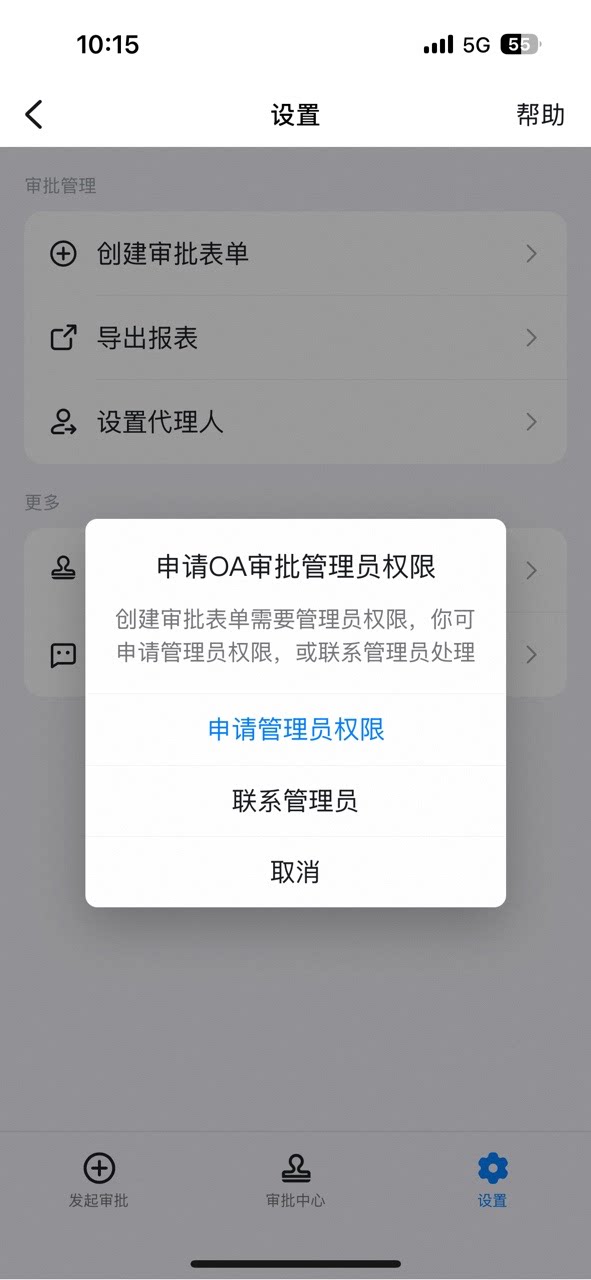
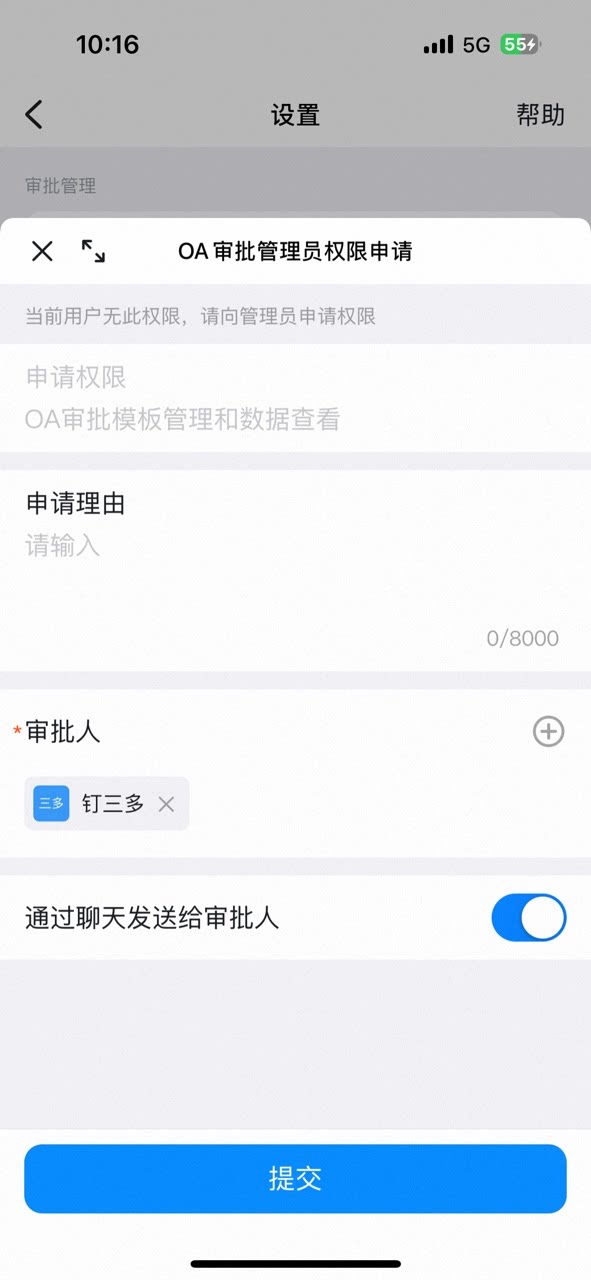
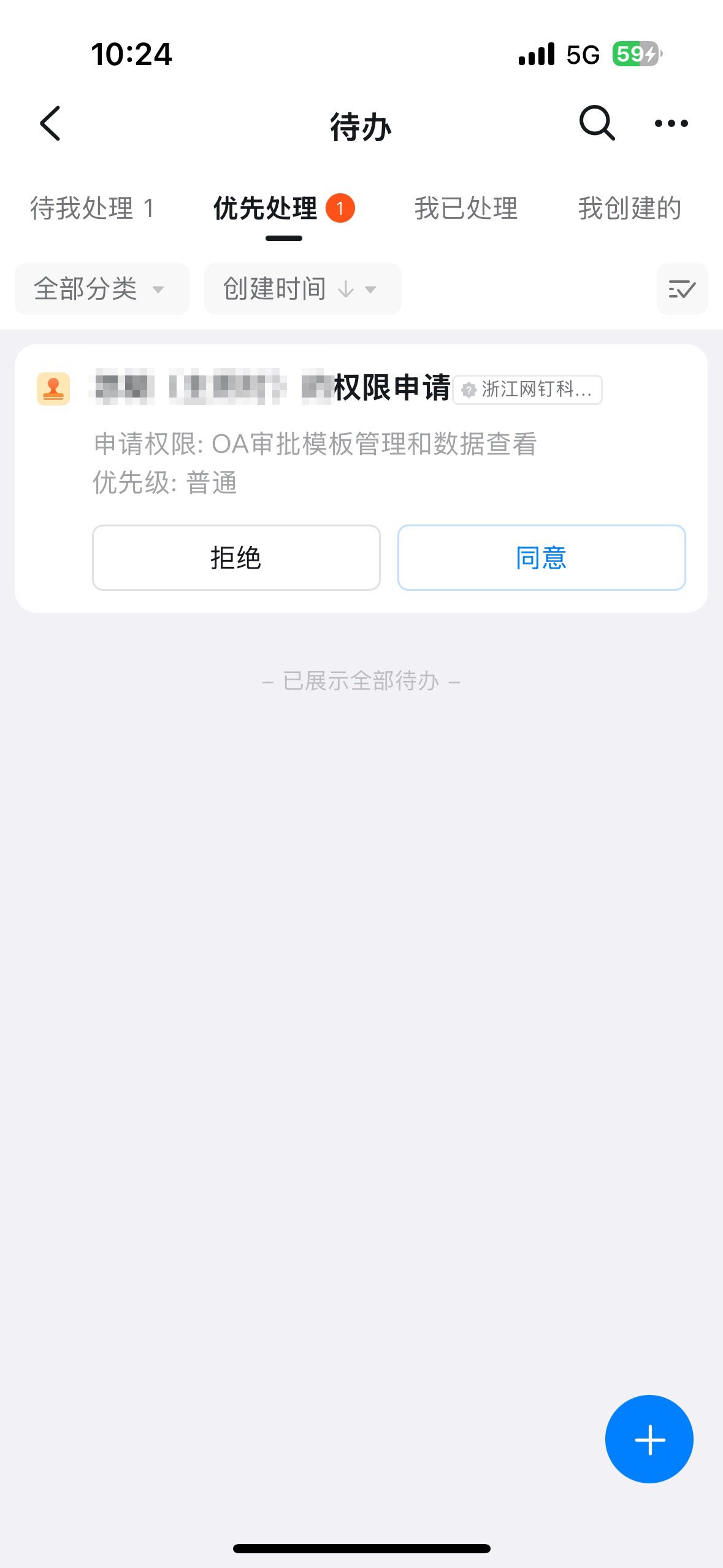
3. Steps
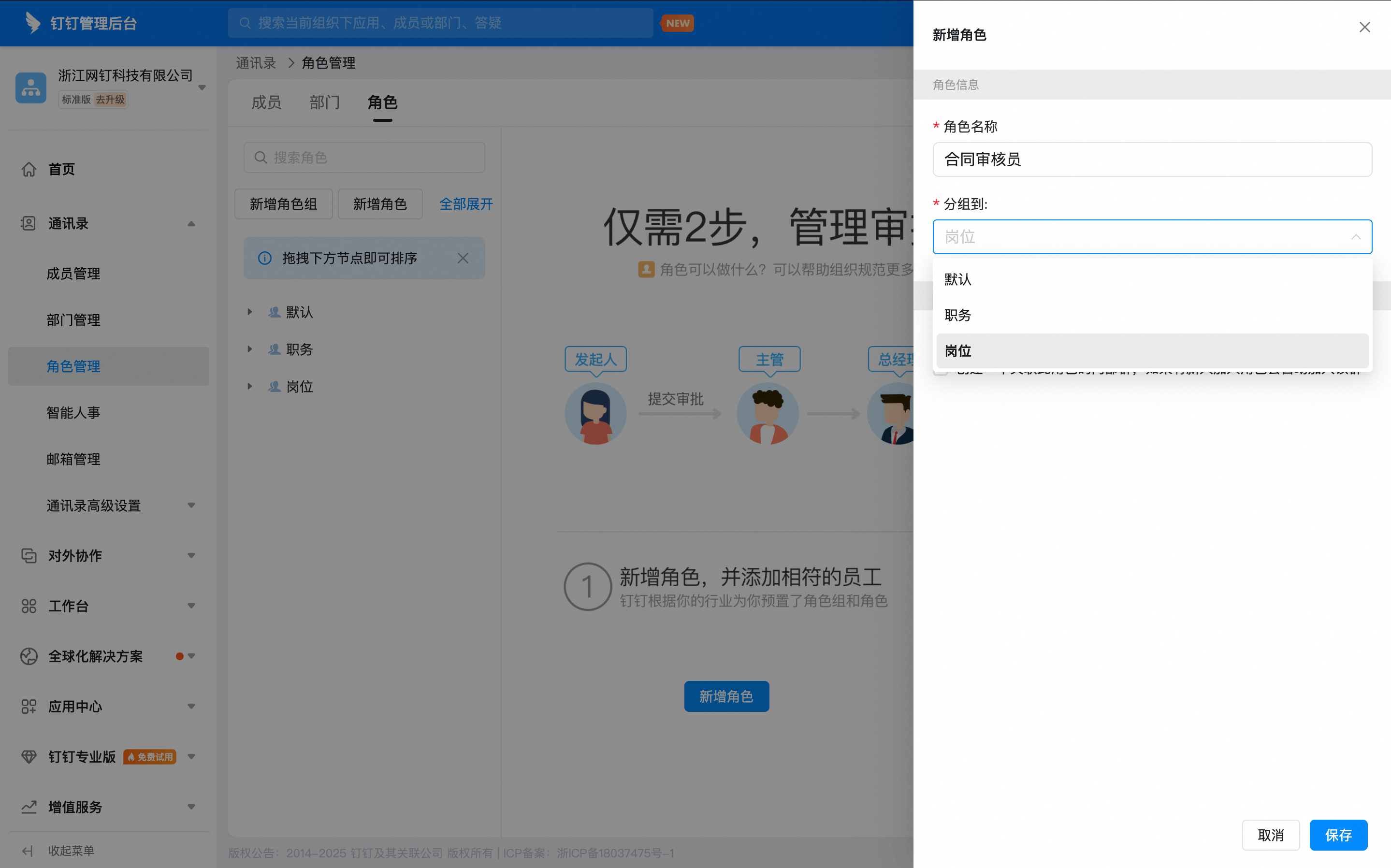
3.1 Configure roles
In your browser, go to the DingTalk Admin Console and click Configure Roles.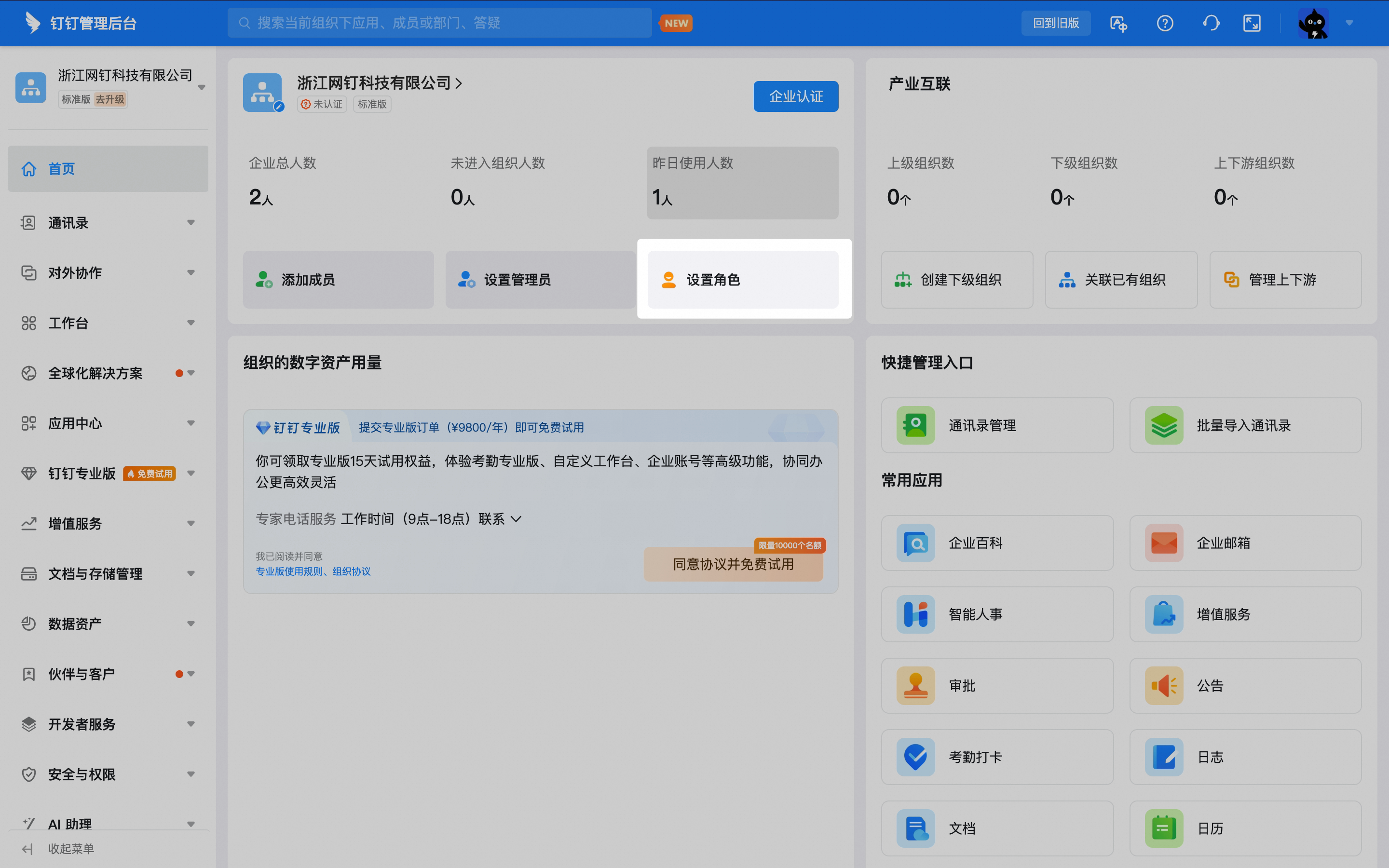
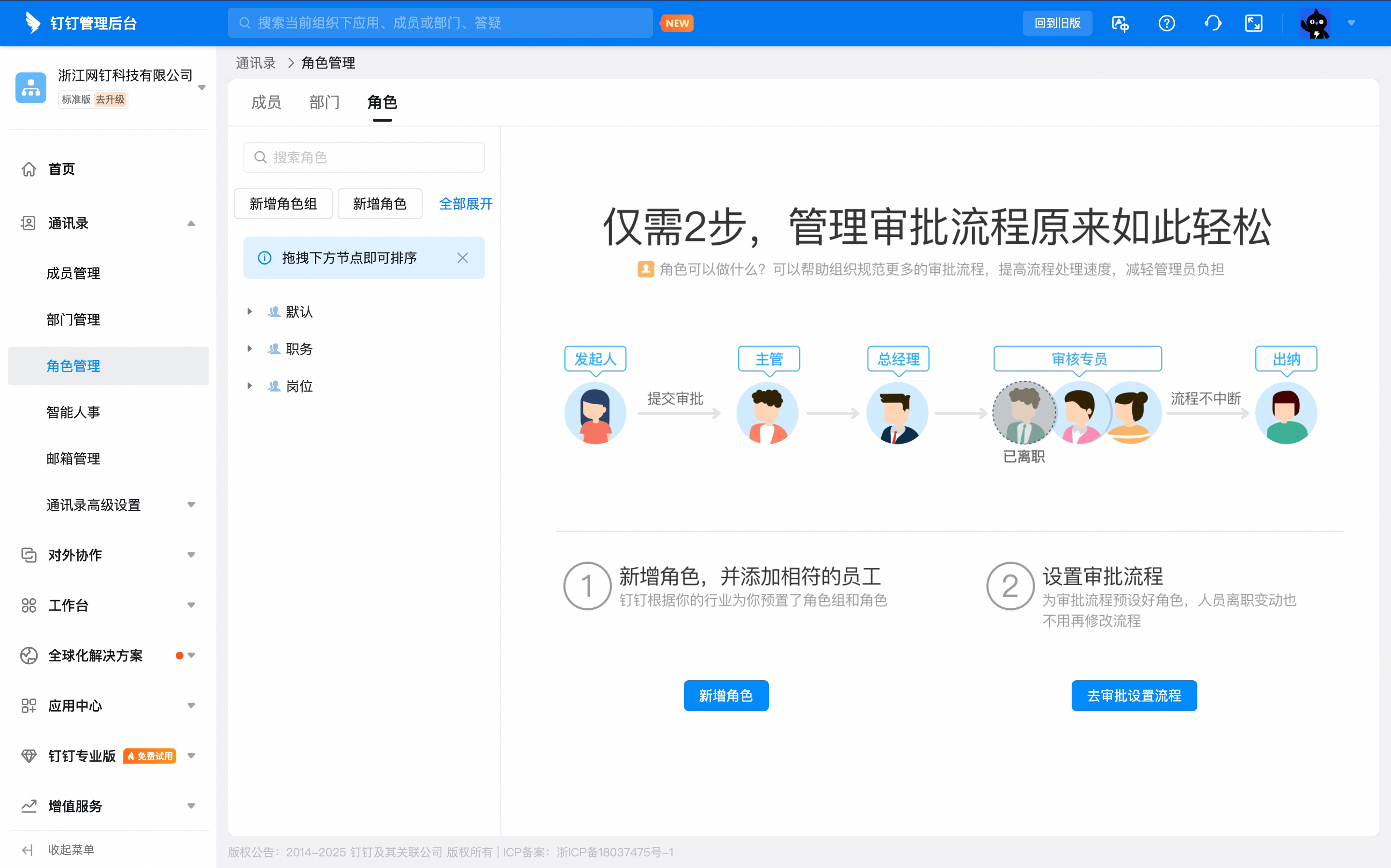
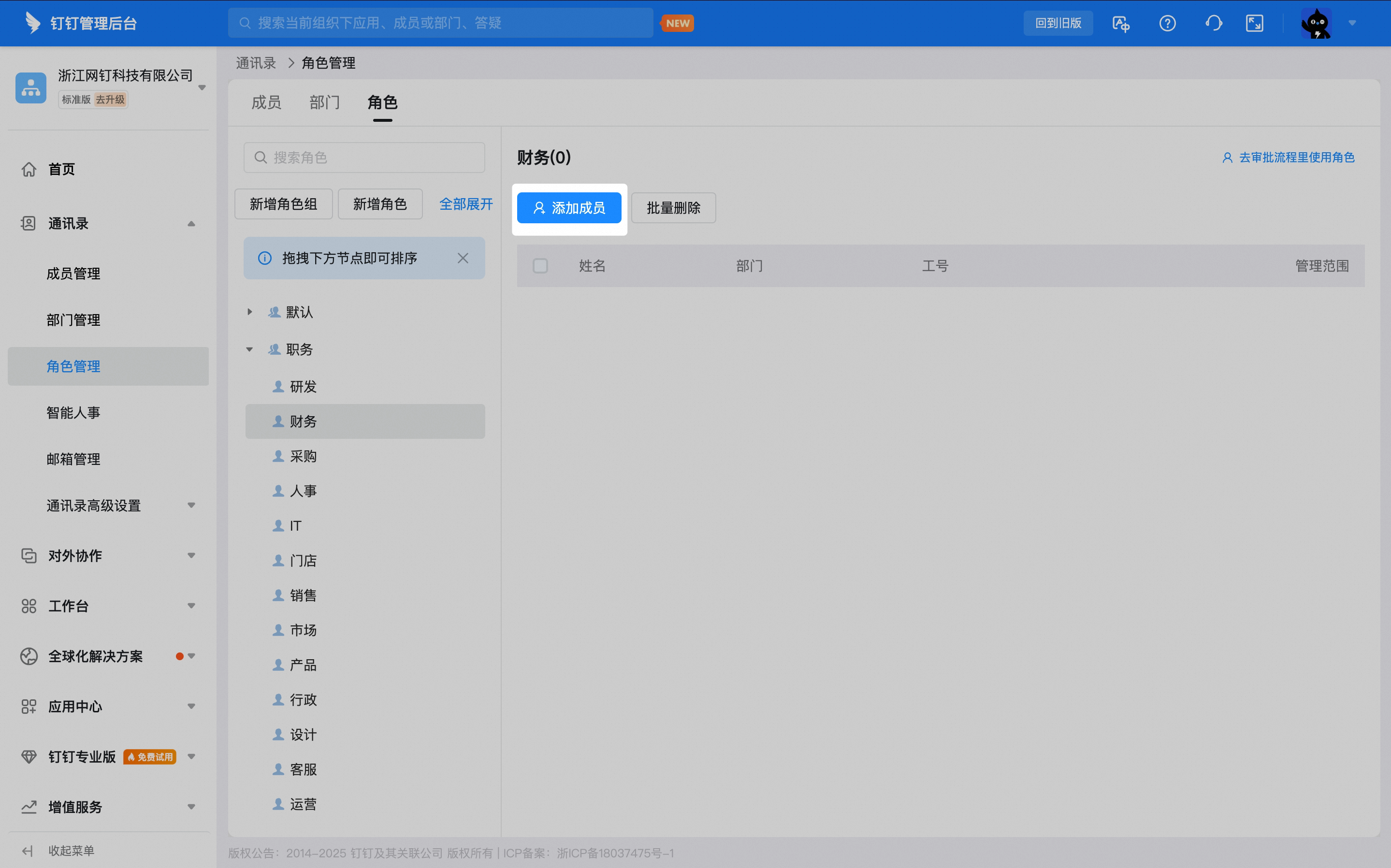
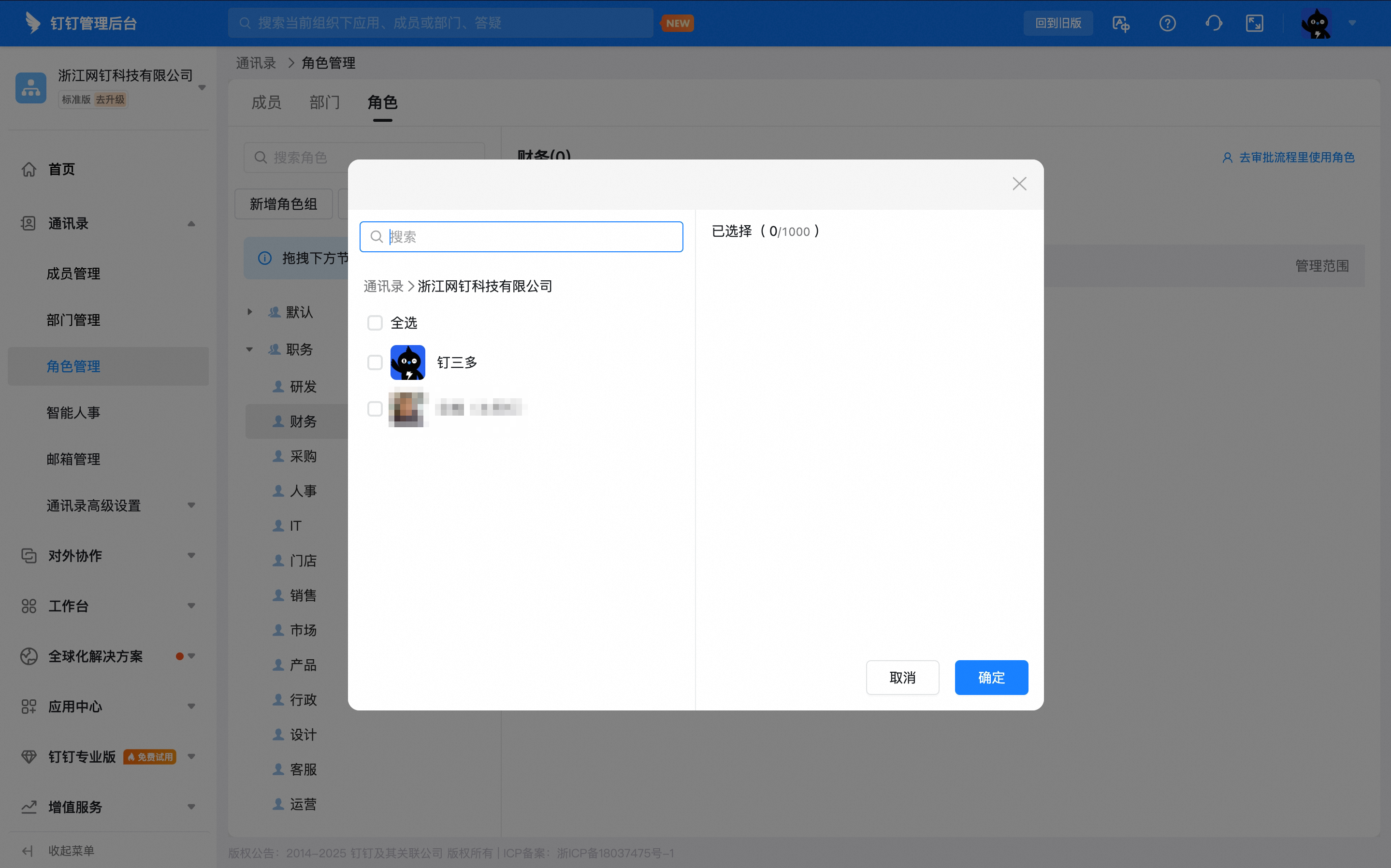
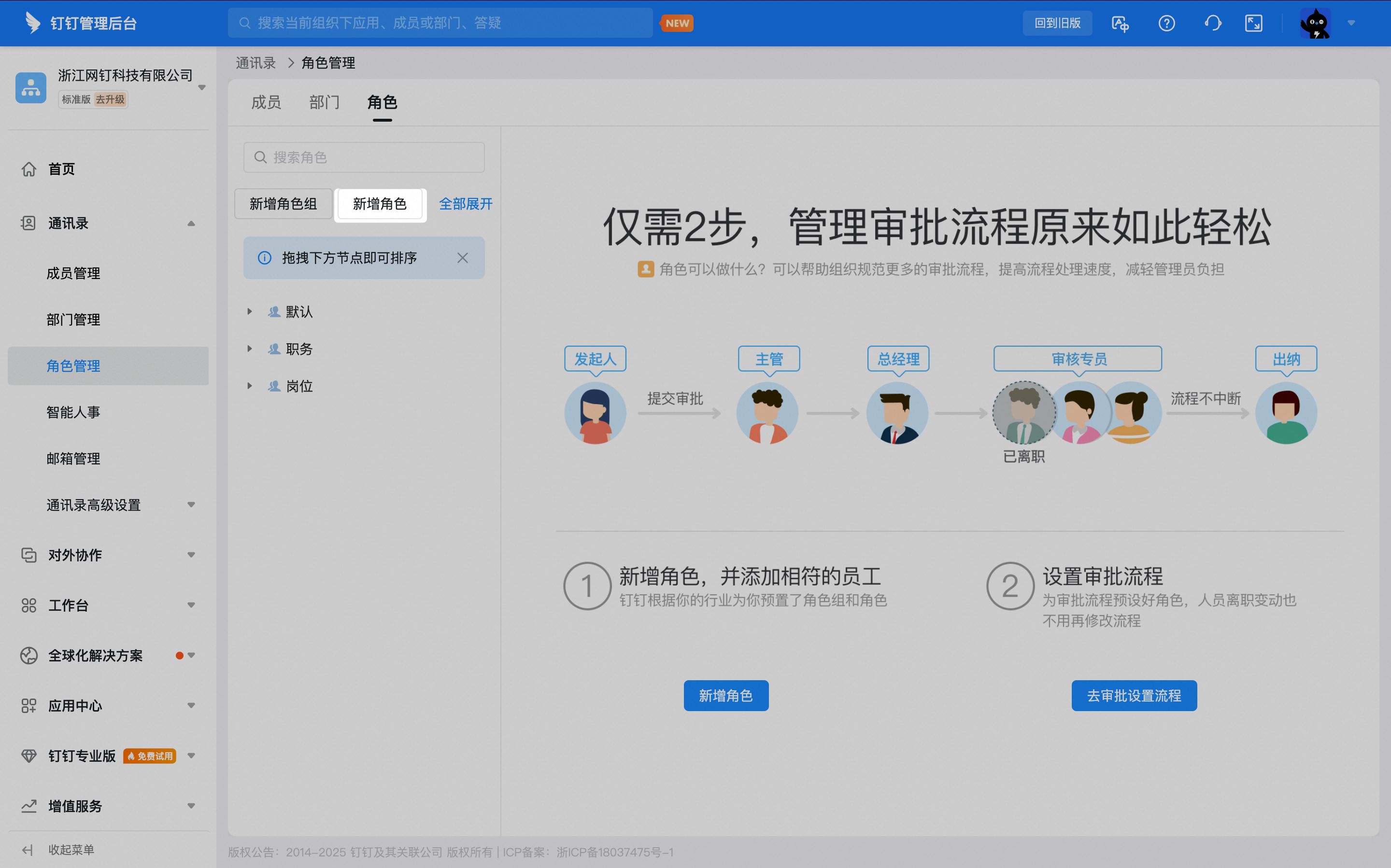
3.2 Configure the role’s management scope
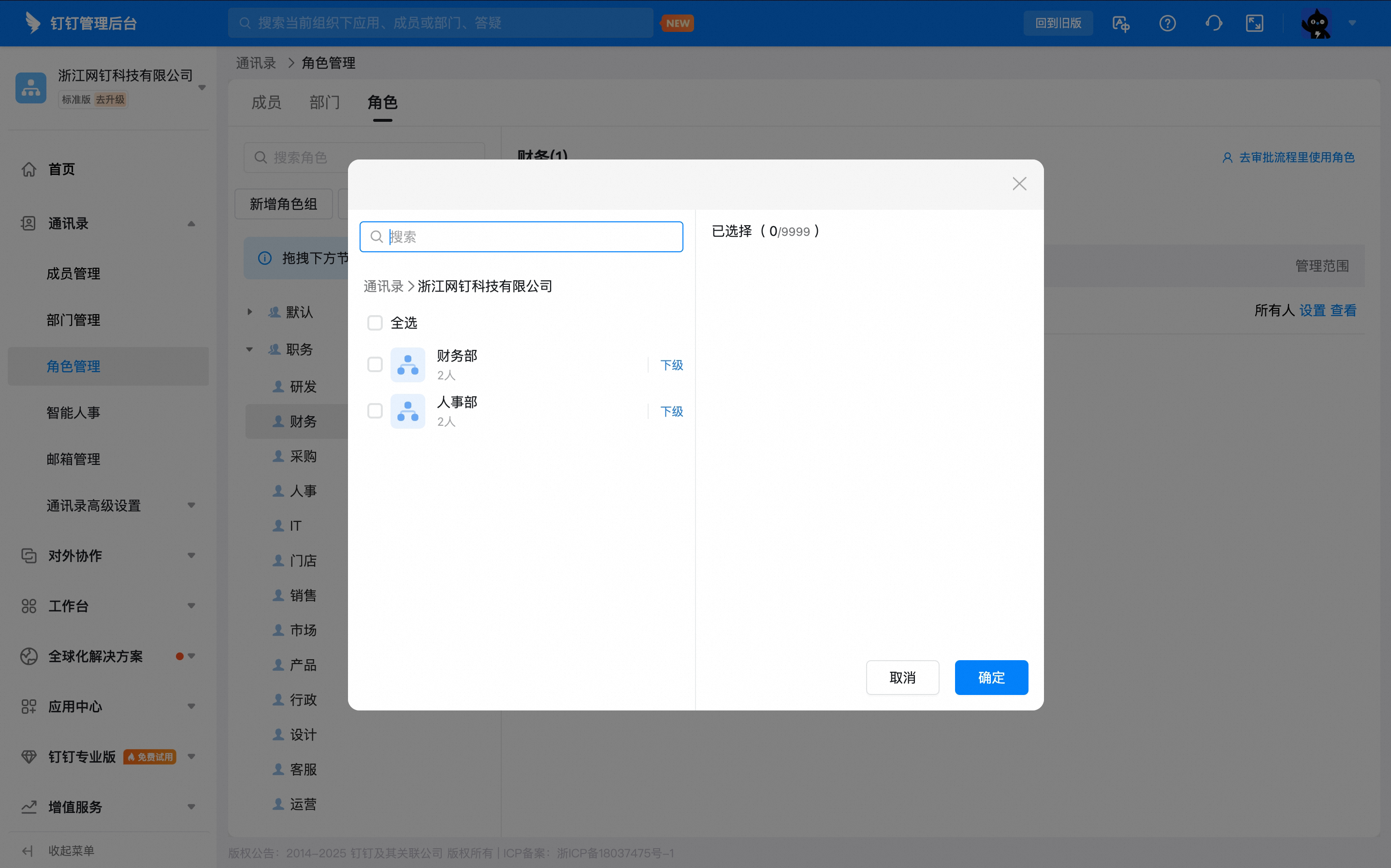
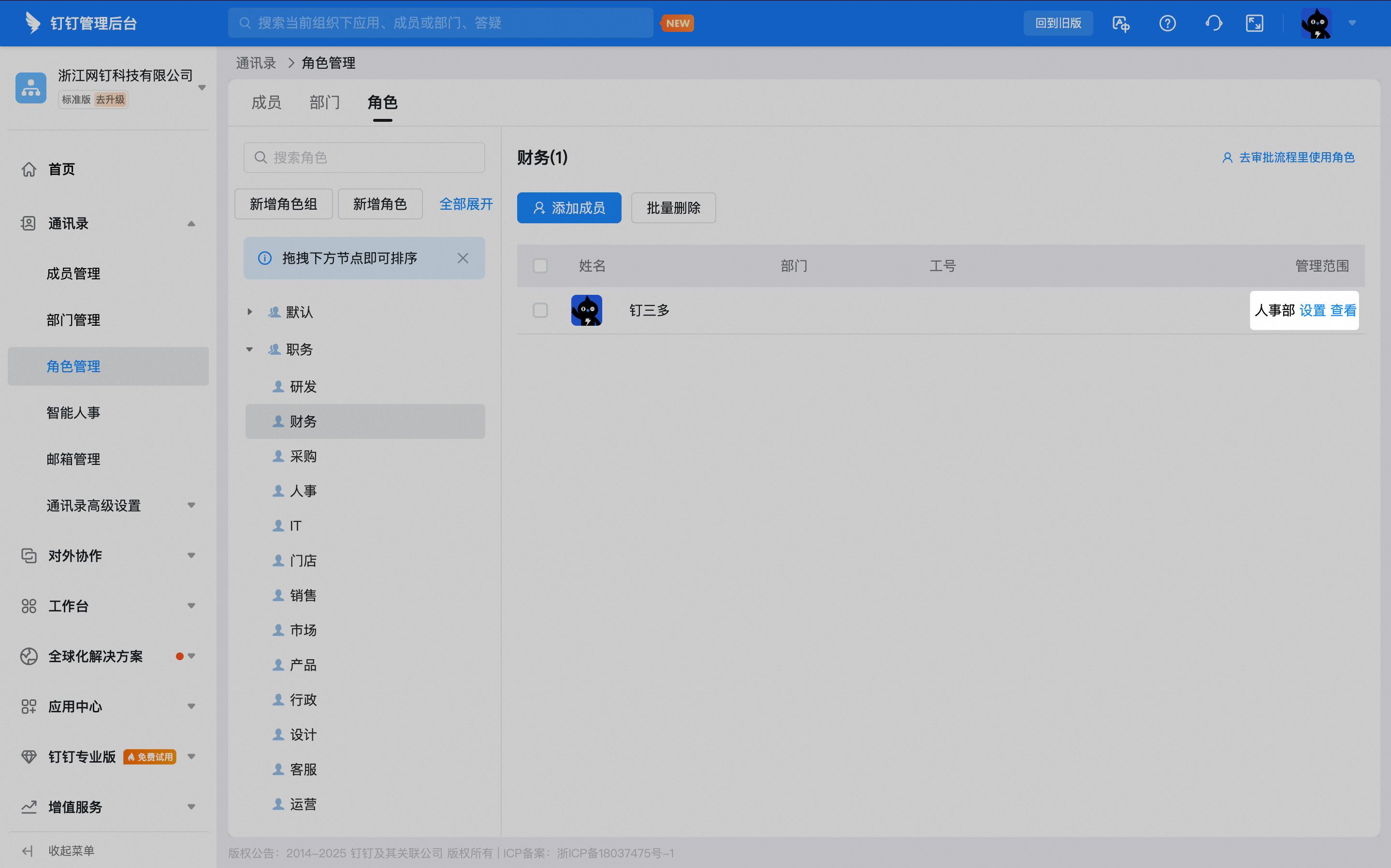
When a role is set in the approval process and its management scope is configured in Contacts, after the initiator submits the approval, the system precisely matches the corresponding approver in the role based on the initiator’s department.
3.3 Default role management
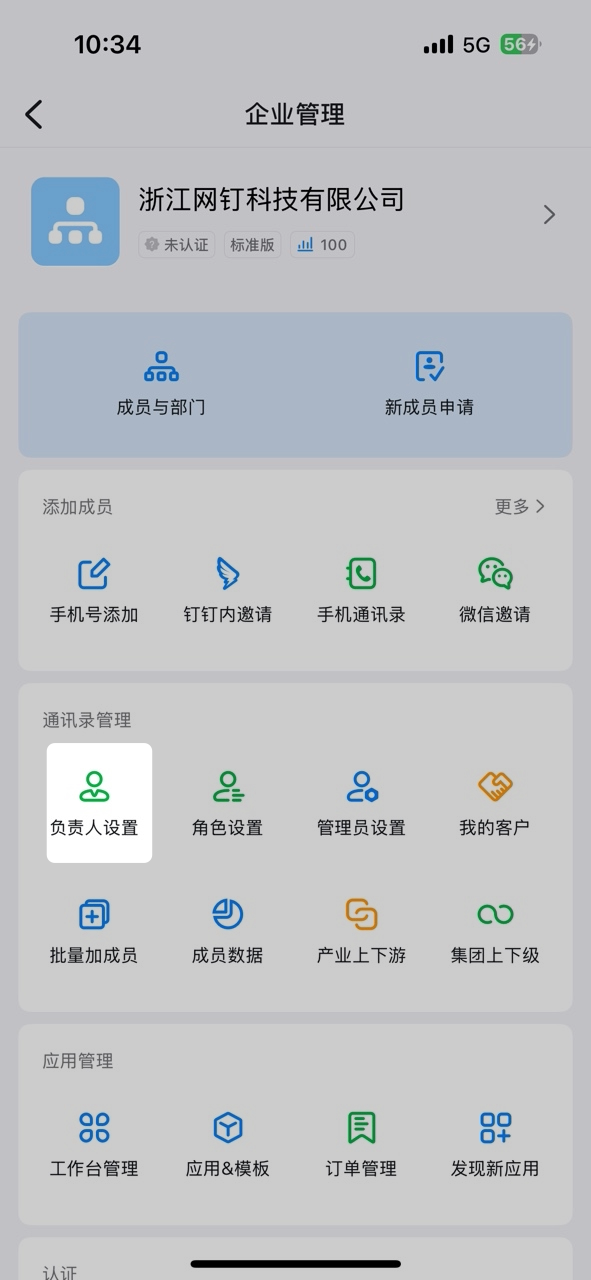
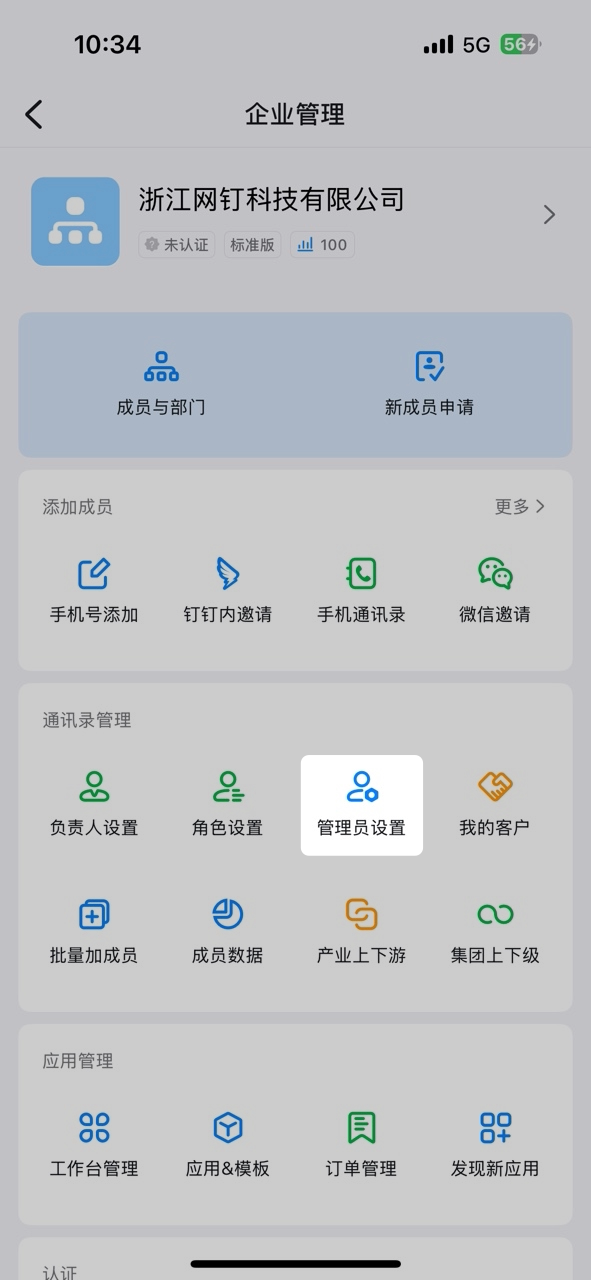
Default roles include Person in Charge, Manager, Super Admin, and Sub Admin. You cannot add users to them from the role list.- Person in Charge
- Manager
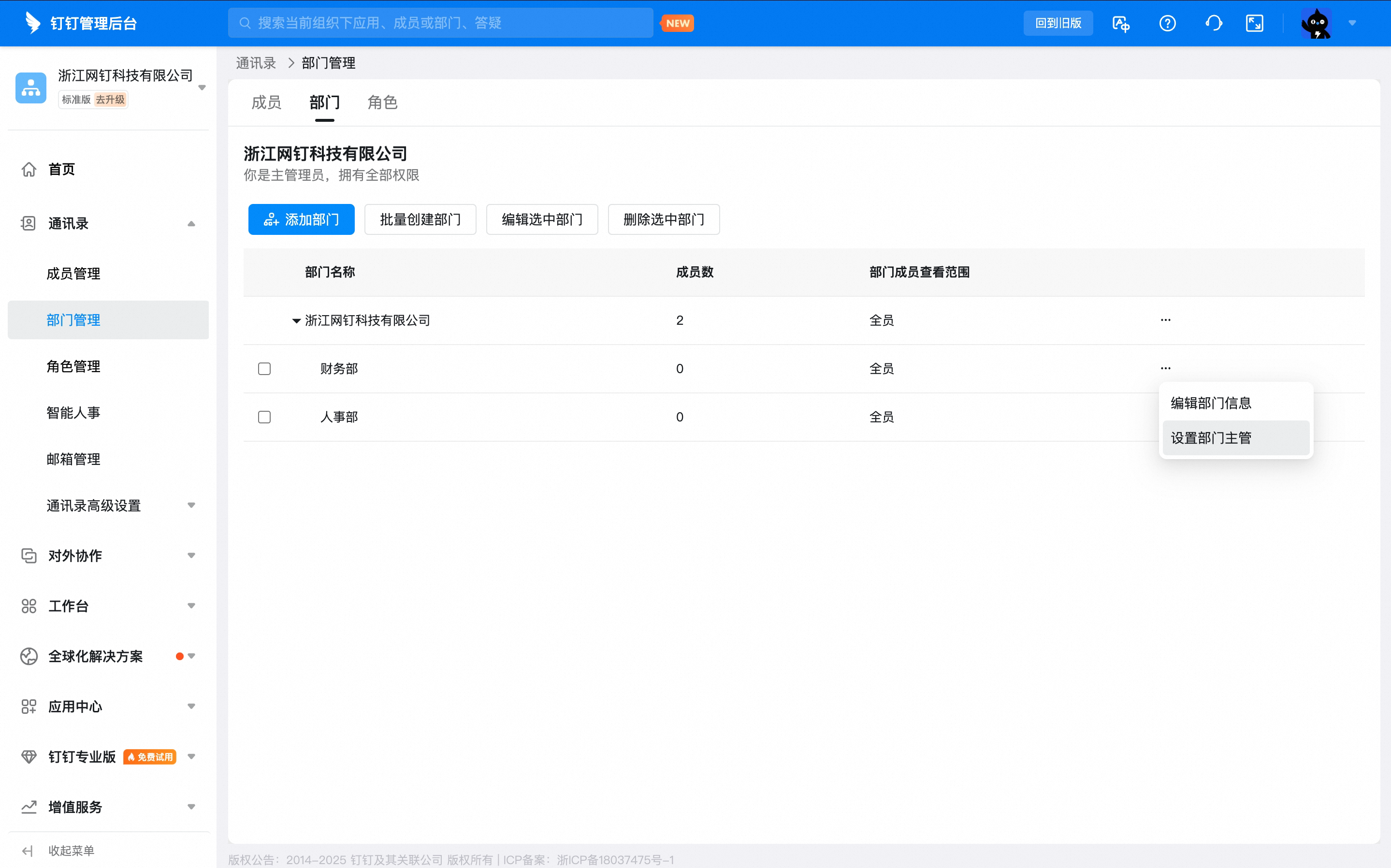
- Super Admin
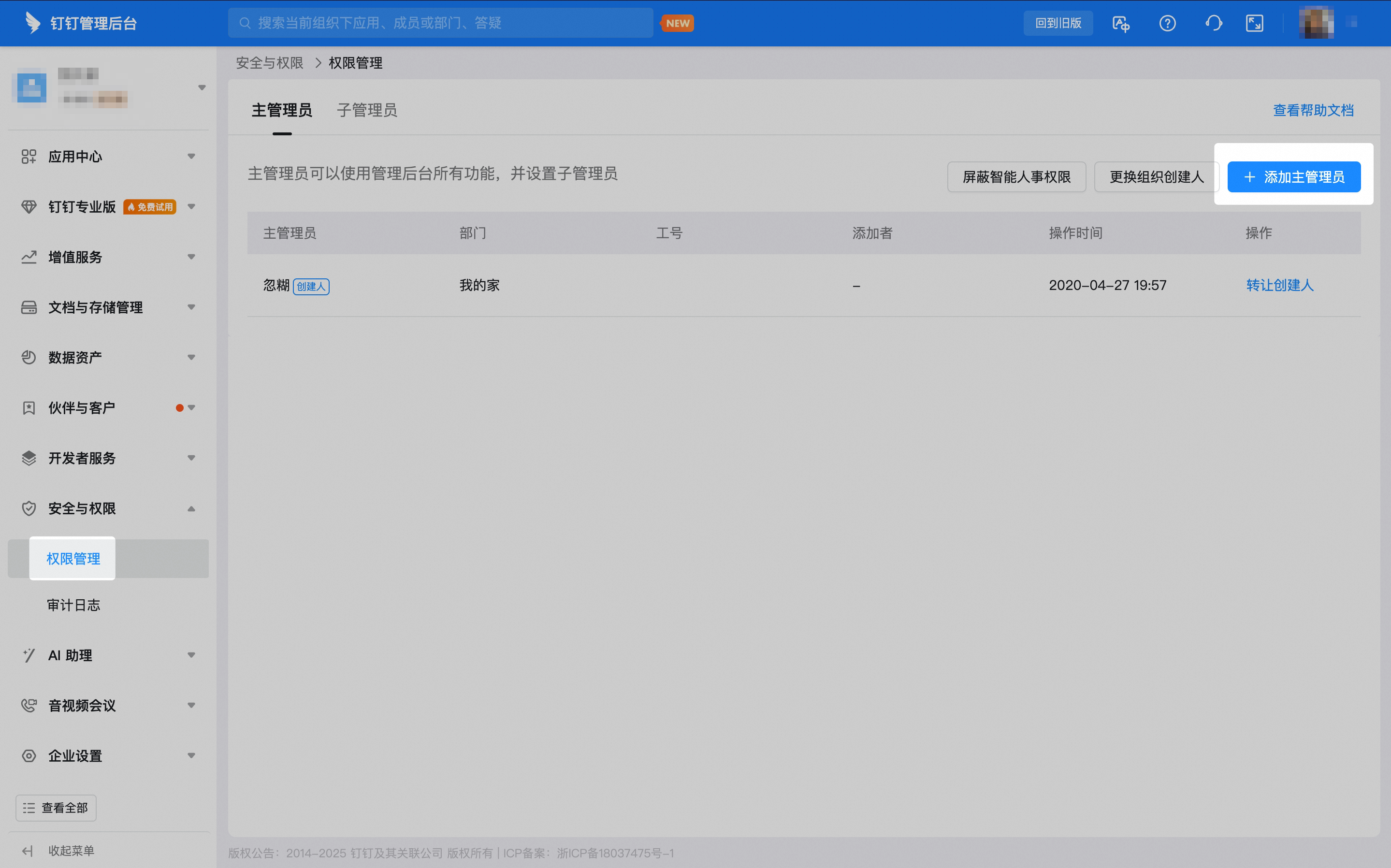
- Set a Sub Admin
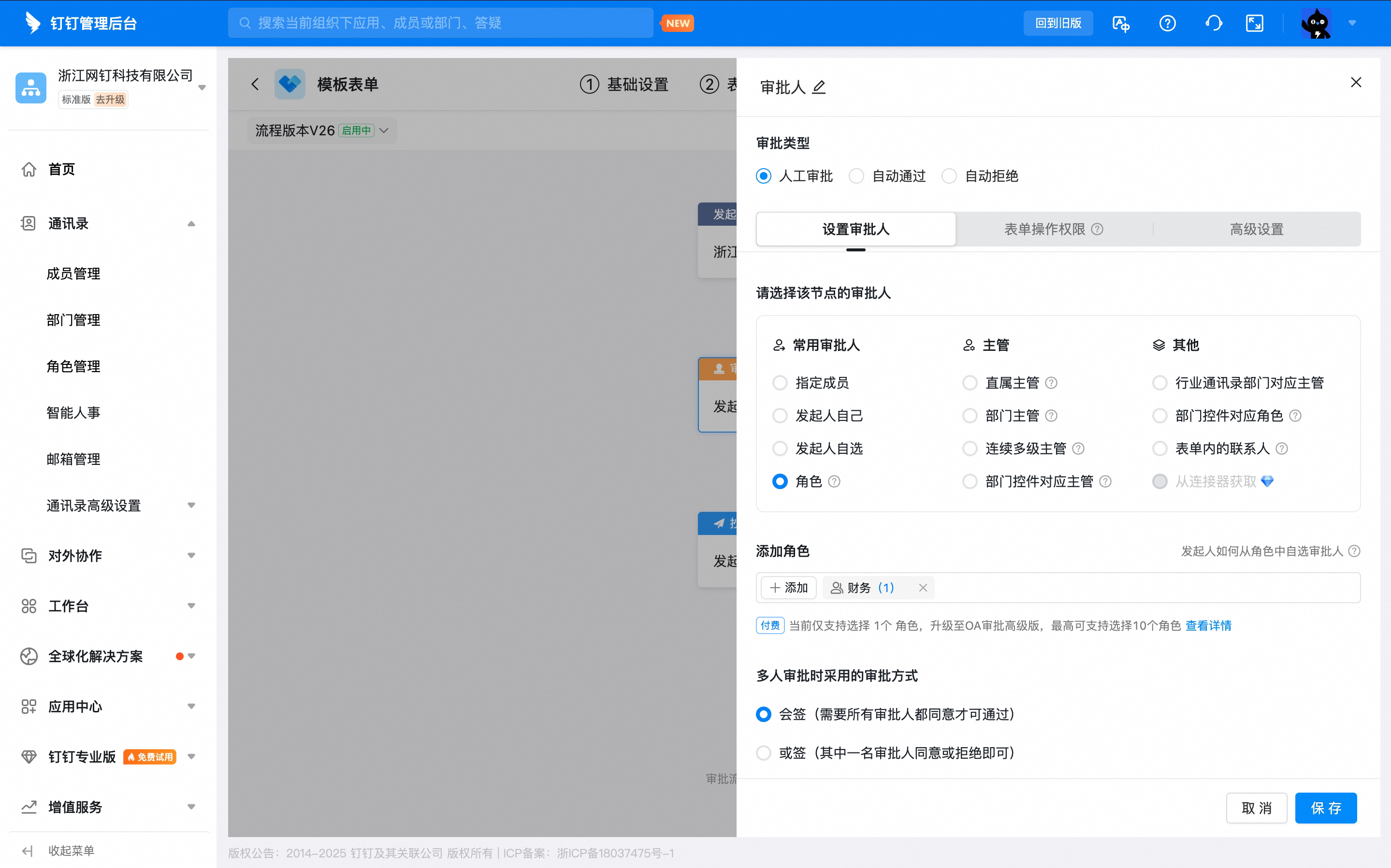
3.4 Set a role as approver in the approval process
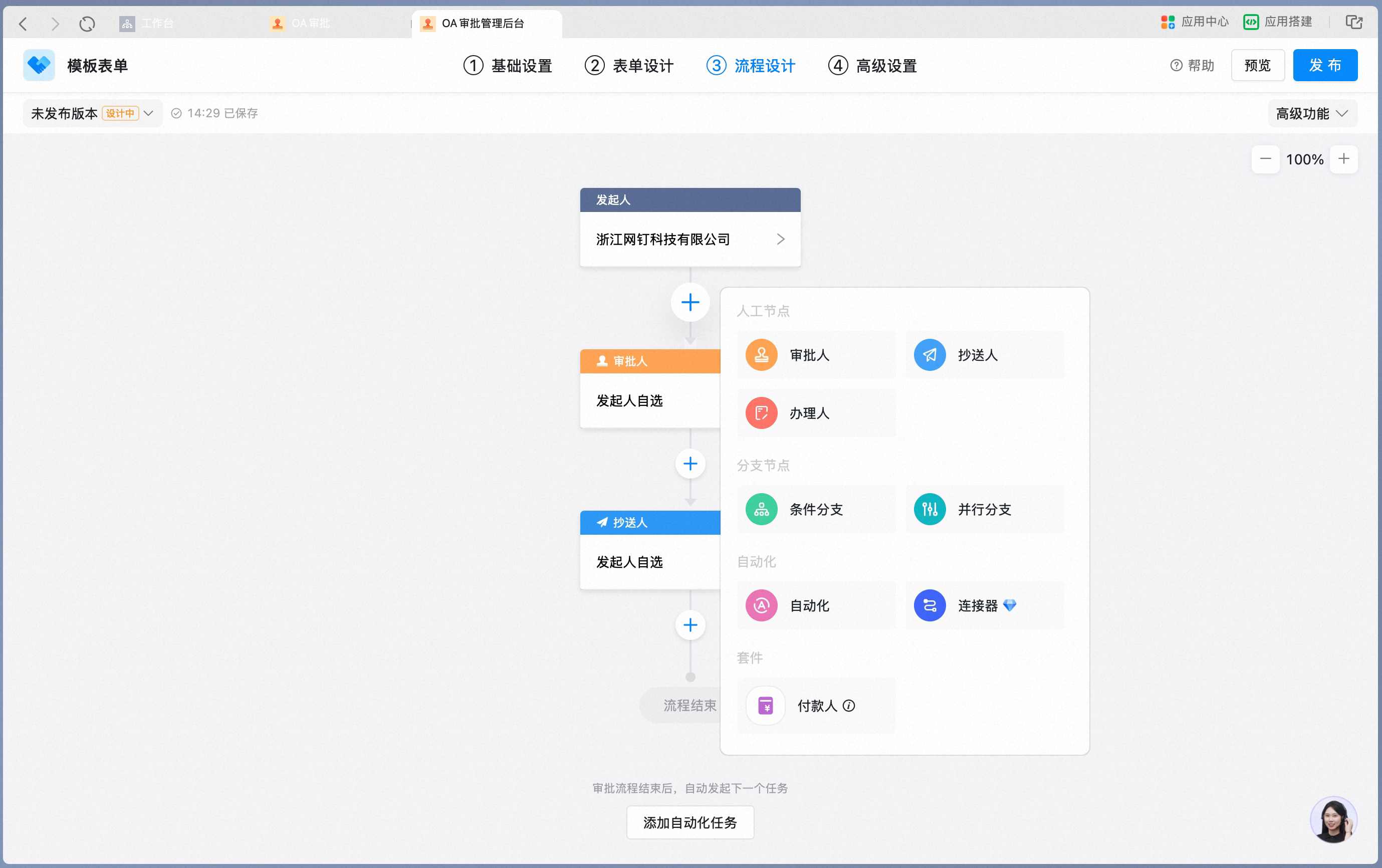
On the Approval Admin Console > Form Management page, click Edit in the Action column of the target form.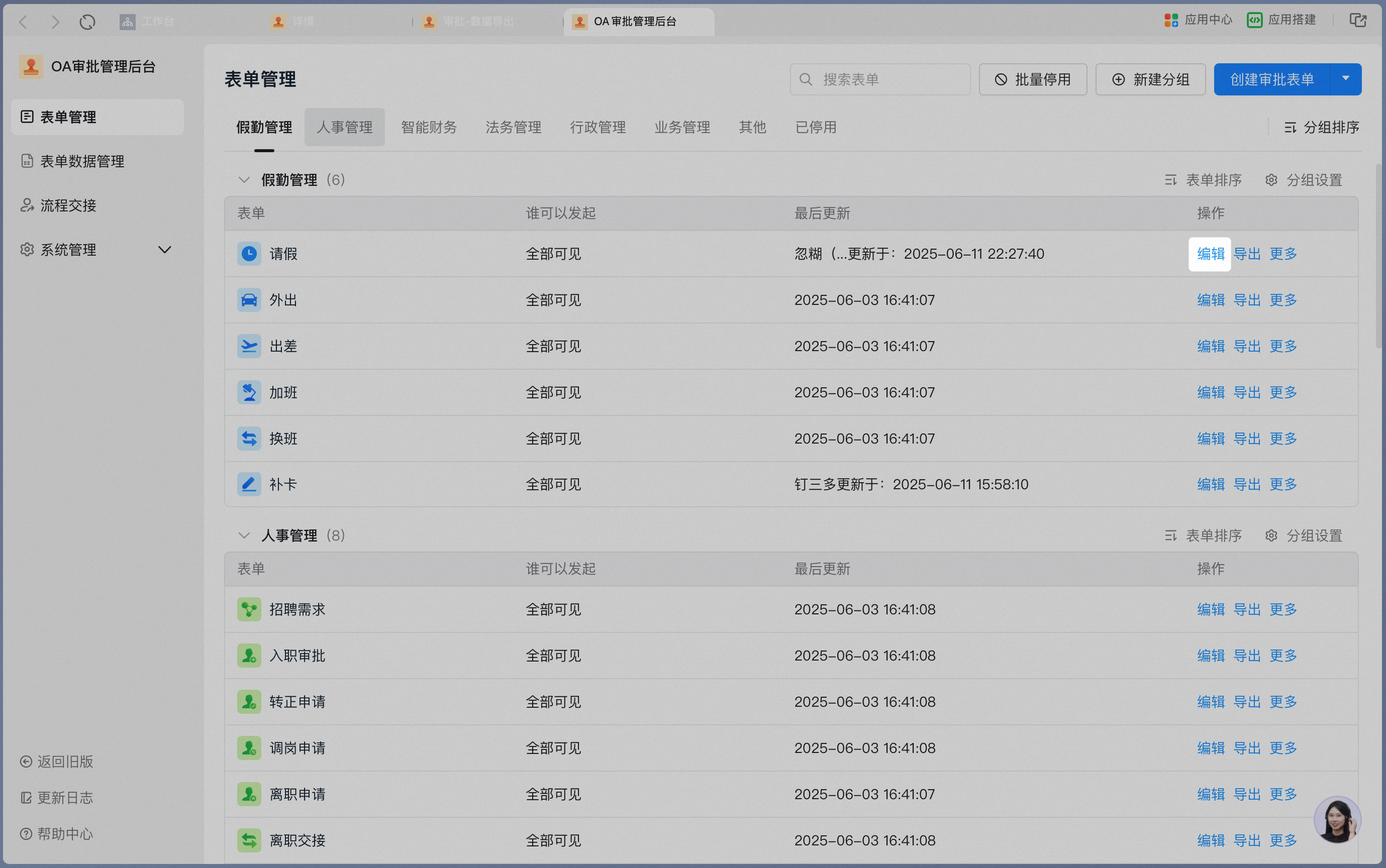
4. FAQ
If role-based approval is set and the role has multiple members, what is the approval order?
If role-based approval is set and the role has multiple members, what is the approval order?
If a role has multiple members with no management scope configured, and the approval form is set to be approved by that role, the members approve in random order.
How many roles can be added to a single approval node?
How many roles can be added to a single approval node?
The Standard edition supports 1 role per node. The Premium edition supports up to 10 roles per node.
Will the approval process sync automatically after a role is modified?
Will the approval process sync automatically after a role is modified?
Yes. Role changes take effect immediately on approvals that have not yet reached the current node, as well as on the process settings within approval templates.
What is the difference between a role and the role corresponding to a department field in the form?
What is the difference between a role and the role corresponding to a department field in the form?
The difference lies in the management scope:
- Role: When the approver is set to a role, after the initiator submits the approval form, the role’s management scope is determined by the initiator’s department.
- Role corresponding to a department field in the form: When a department field is added to the form and the approver is set to the role corresponding to that field, after the initiator submits the approval form, the role’s management scope is determined by the department selected in the form.